


Does Non-PFAS Turnout Gear Need to Be Washed Differently?
As more departments transition to non-PFAS structural turnout gear, one question comes up repeatedly:
"Do we have to wash non-PFAS gear differently than traditional turnout gear?"
The answer is simple:
Whether your department is evaluating new PPE or already using non-PFAS gear, understanding what the standards actually say can help separate fact from assumption.
What Do the NFPA Standards Say?
Two standards guide turnout gear selection, care, and maintenance today:
- NFPA 1970 establishes the performance and certification requirements for structural firefighting PPE.
- NFPA 1850 establishes the requirements for selecting, inspecting, cleaning, maintaining, and retiring PPE throughout its service life.
Instead, NFPA 1850 requires departments to:
- Follow the manufacturer's care and cleaning instructions.
- Perform routine, advanced, and specialized cleaning when appropriate.
- Use approved detergents, washer-extractors, water temperatures, and drying methods.
- Inspect gear before and after cleaning to verify it remains serviceable.
Why the Confusion?
Many firefighters have heard that non-PFAS gear is "different," leading some to assume it must also require different maintenance.
In reality, much of the discussion centers around durable water repellent (DWR) finishes, not the cleaning process itself.
Historically, many turnout gear composites used fluorinated water-repellent technologies. As manufacturers transitioned to fluorine-free alternatives, some materials may exhibit slightly different water-shedding characteristics over time.
That does not mean firefighters need to change how they wash their gear.
Instead, departments should simply continue following the care instructions provided by the manufacturer—just as they always have.
What Should Fire Departments Do?
Whether your turnout gear contains PFAS or is non-PFAS, the best practices remain the same.
Continue to:
- Clean gear after incidents requiring cleaning.
- Follow the manufacturer's laundering instructions.
- Use approved detergents and wash equipment.
- Dry gear using recommended methods.
- Perform inspections before returning gear to service.
- Remove contaminated gear from service until it has been properly cleaned.
These practices help preserve the protective performance of the gear while supporting firefighter health and safety.
Does Non-PFAS Gear Wear Out Faster Because It's Washed?
This is another common concern.
Current NFPA standards do not indicate that non-PFAS turnout gear should be washed less often or differently to preserve its lifespan.
Like any structural PPE, durability depends on factors such as:
- Fireground exposure
- Abrasion and mechanical wear
- UV exposure
- Proper inspection and maintenance
- Manufacturer design and materials
Departments should never avoid cleaning contaminated gear out of concern that routine washing will damage non-PFAS materials. Proper cleaning remains an essential part of maintaining firefighter protection.
The Most Important Rule
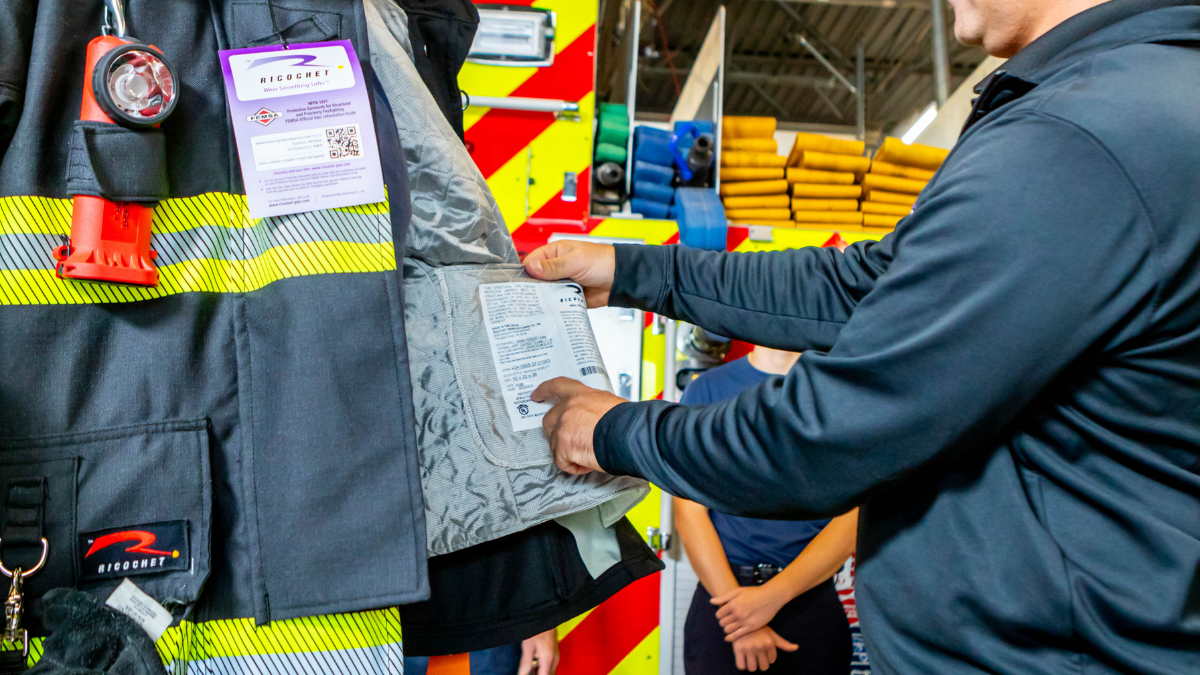
One requirement has not changed: Always follow the manufacturer's care instructions.
Every turnout gear manufacturer validates cleaning procedures for their certified gear systems. Those instructions account for the materials, moisture barrier, thermal liner, and construction methods used in that specific product.
NFPA 1850 reinforces this approach by requiring departments to maintain PPE according to the manufacturer's instructions—not based on whether the gear contains PFAS.
Key Takeaway
Non-PFAS turnout gear does not require different washing procedures under NFPA 1970 or NFPA 1850. Fire departments should continue following the manufacturer's care instructions and established PPE maintenance practices to ensure long-term protection and performance.